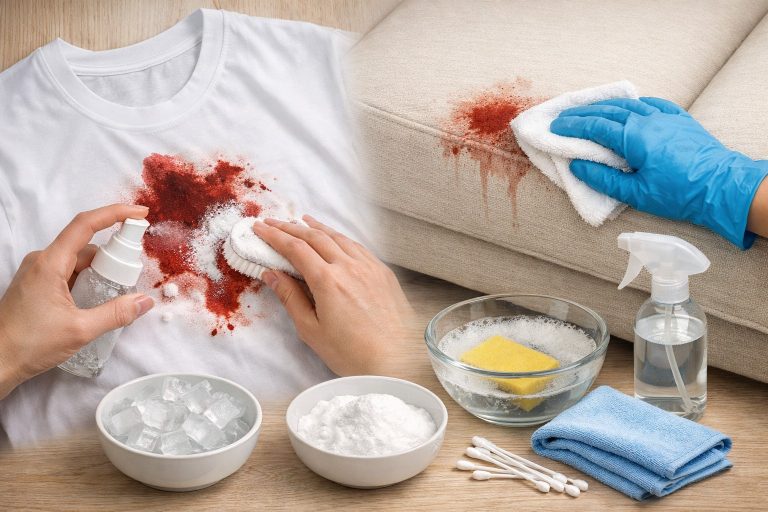
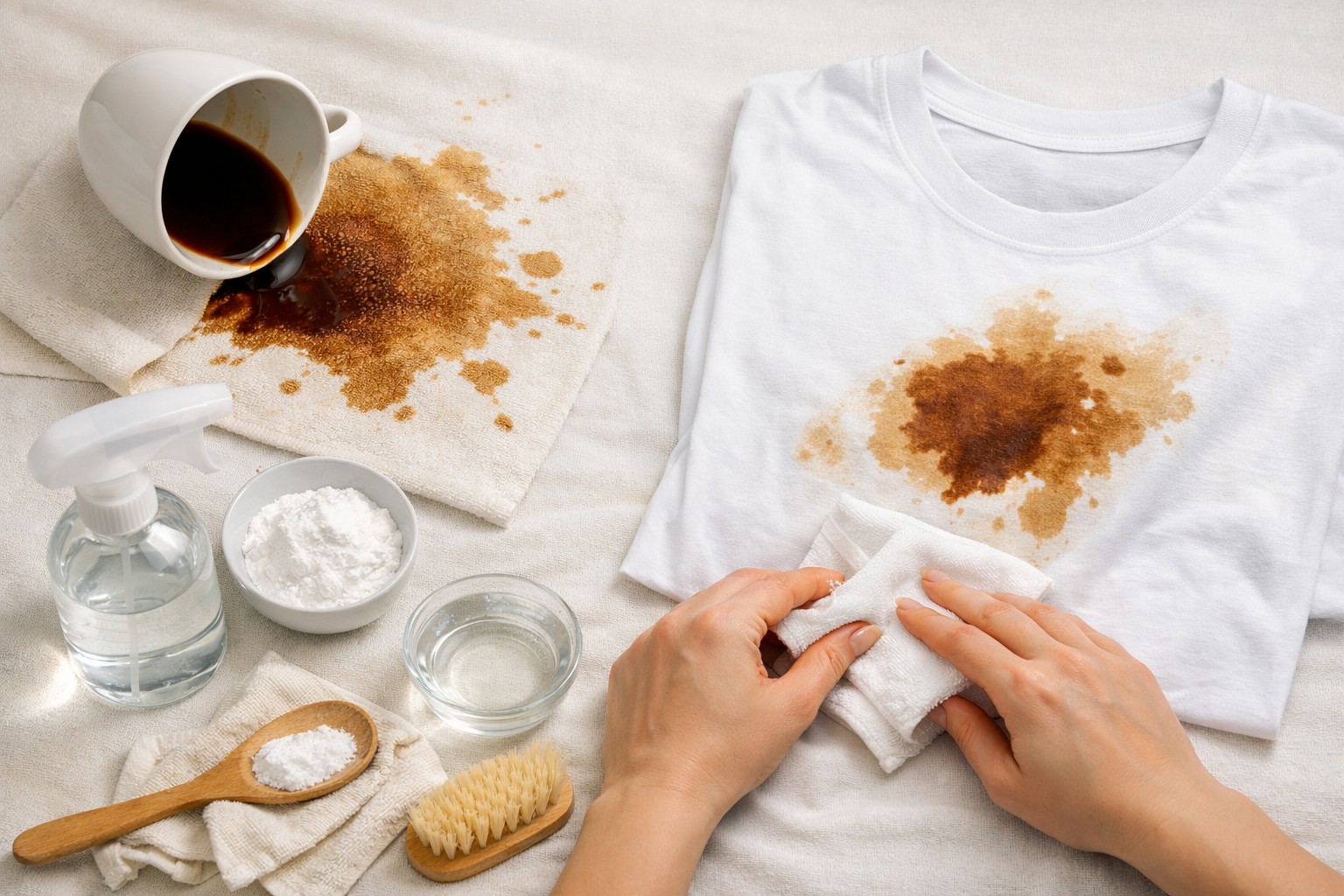
Accidentally spilled morning drink – no reason to say goodbye to your favorite shirt or light sofa. The main rule in the fight against coffee stains is to reaction speed. The less time the pigment is in contact with the fibers of the fabric, the higher the chances of full recovery of the item.
Effective methods for fresh soiling
If coffee has just been spilled, the first step is to blot the liquid with a paper towel. Do not rub the stain to avoid driving the dye deeper into the structure of the material.
-
Cold water. Rinse the fabric under a strong pressure of running water from the wrong side. This will wash the coffee particles out of the fibers, preventing them from setting.
-
Laundry soap. An old tried and tested method that does a great job on organic soiling. Apply soap foam to damp clothLeave for five minutes and rinse thoroughly.
-
Table salt. Helps absorb residual moisture and prevents the stain from spreading across the surface.
Ways to remove stubborn stains
When the drink is already dry, the usual rinse will not be enough. There are products that are available in every kitchen that can break down the structure of the stain of the coffee tannin.
-
Glycerin solution. This product is gentle on the fabric, dissolving even embedded pigment. Apply heated glycerin on the stain, wait 15-20 minutes and wipe with a cotton pad.
-
Vinegar and baking soda mixture. The chemical reaction between these ingredients literally pushes dirt to the surface. The method is ideal for dense cotton fabrics and light-colored denim.
-
Hydrogen peroxide. Use this method should be used only on white clothes, as peroxide has a slight bleaching effect. It effectively removes the yellowness left after coffee and milk.
-
Naphtha. When combined with water, it helps to clean delicate fabricssuch as silk or fine synthetics without damaging their structure.
Working with different surfaces
When cleaning upholstered furniture or carpets, it is important not to over-wet the filler. Use dry foam or a minimum amount of water to avoid streaks and an unpleasant damp odor.
For white fabrics, oxygen bleaches that work at low temperatures are best. Colored garments require a preliminary test of the selected product on an inconspicuous area of the garment to ensure dye fastness.
A properly selected remedy can fully restore the appearance of an item even after a serious incident with a cup of Americano. If the temperature and sequence of actions are followed, most fabrics regain their original purity.
About the Author