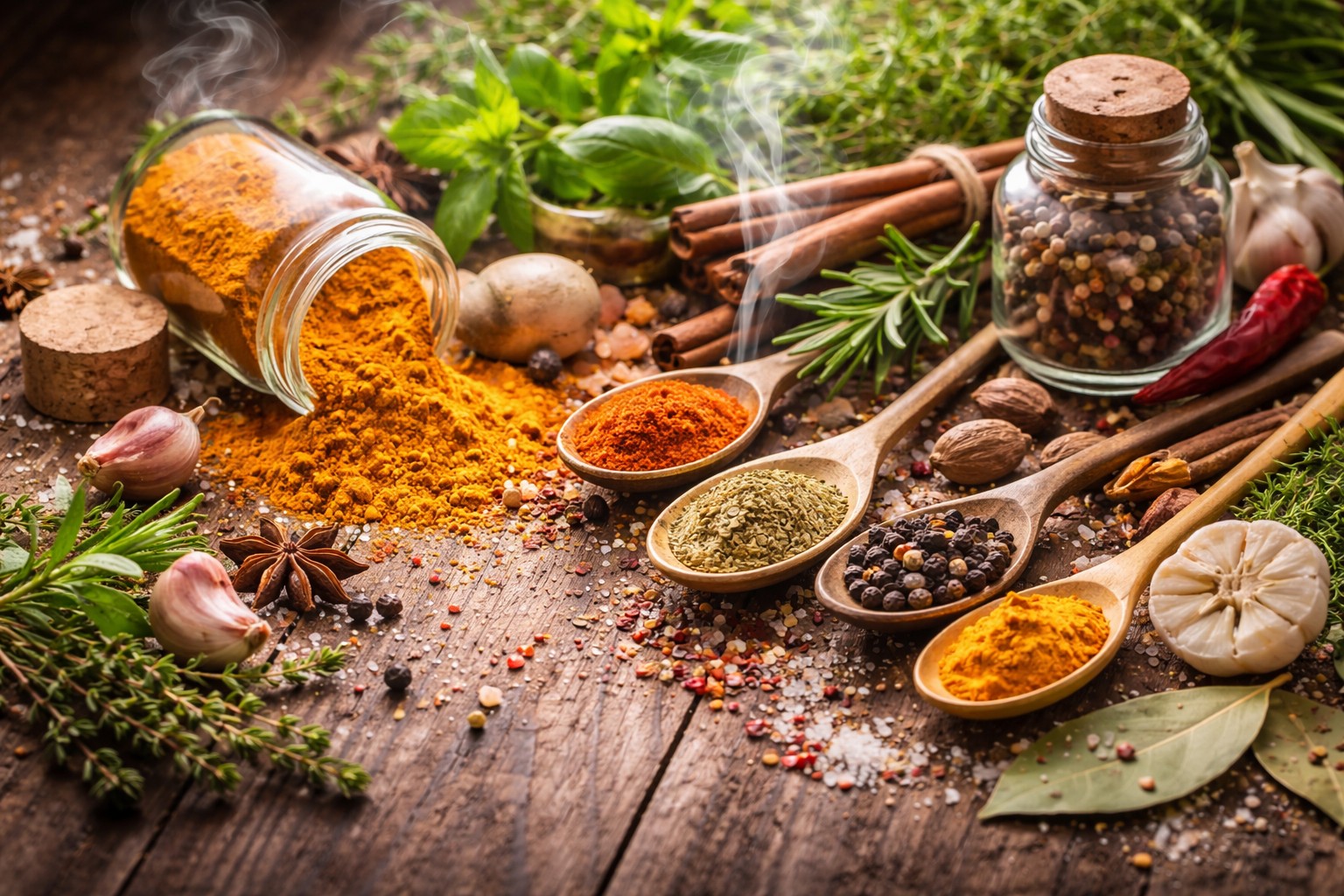
Proper storage of seasonings is not just a matter of order in the kitchen, but the only way to preserve the essential oilswhich are responsible for the flavor and benefits of the product. Most people make the classic mistake of placing jars over the stove or in transparent containers, which leads to the contents spoiling quickly. To ensure that your dishes always remain rich, it is worth reconsidering the approach to the organization of the kitchen space.
The main enemies of rich flavor
In order for spices to retain their properties for as long as possible, four factors must be eliminated:
-
Light. UV light triggers oxidation processes, causing bright paprika or turmeric to quickly pale and lose their characteristic odor.
-
Moisture. High humidity in the kitchen leads to clumping of powders and creates a favorable environment for mold growth.
-
Heat. Cabinets next to the oven or cooktop are the worst place for storage. Constant heat causes the aromatic compounds to evaporate.
-
Oxygen. When exposed to air, ground formulations weather in a matter of weeks.
Choosing the ideal container
The material in which the additives are stored directly affects their shelf life. The optimal solution is containers made of dark glass or quality ceramics with tight lids.
-
Glass jars with an airtight seal do not absorb odors and are easy to clean.
-
Tin boxes provide excellent protection from light, but it is important to ensure that corrosion does not form inside.
-
Mills allow you to grind the product just before use, ensuring maximum flavor concentration.
-
Original ziplock bags are acceptable only if they are foil-lined and tightly closed, but for permanent use it is better to transfer the contents to a solid container.
Expiration dates and revision
Many people mistakenly believe that dried herbs can be stored forever. In fact, each category has its own limit of effectiveness:
-
Whole spices (cinnamon sticks, cardiac, peppercorns) keep fresh for up to two to three years.
-
Ground formulations lose intensity after six months.
-
Dried herbs (basil, oregano, dill) remain aromatic for about a year if the temperature is maintained.
To check the quality, just rub a small amount of the product between your fingers: if the flavor is weak or absent, it means that the seasoning is no longer useful for your dish.
Optimal placement zones
The best storage area is a closed drawer or cabinet away from heat sources and sinks. If you prefer to keep everything handy on your countertop, use only opaque containers. It is important to remember that some types of seasonings, such as sesame, flax seeds or red pepperIn hot climates, it is better to store in the refrigerator to prevent the oils from going rancid.
Proper organization of space can not only prolong the life of spices, but also significantly improve the quality of home cooking. Creating stable conditions in a dark and dry place guarantees the preservation of all the organoleptic properties of spices throughout the entire period of their use.
About the Author